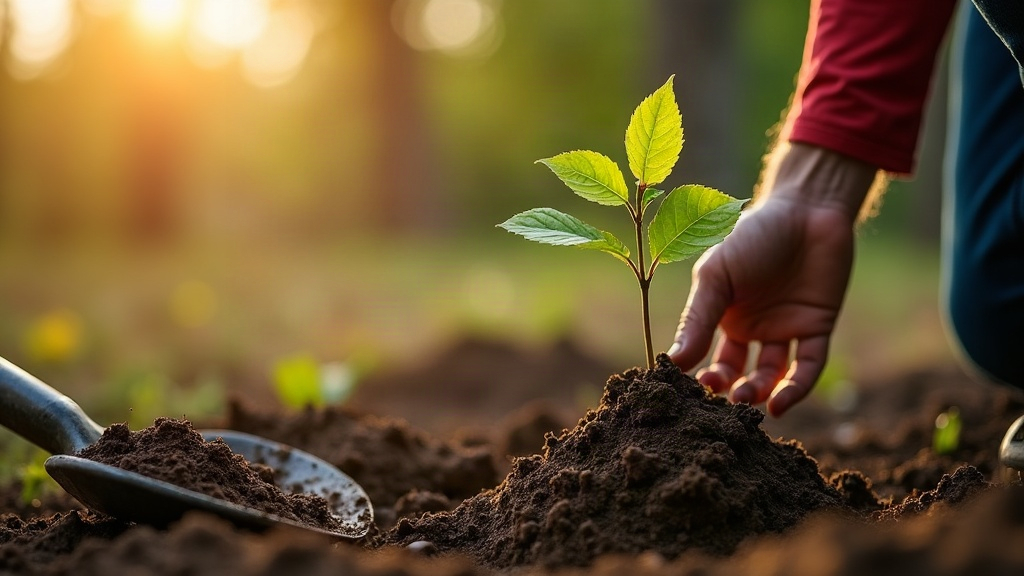
Niagara Falls Cedar Hedge Planting: A Comprehensive Guide
Introduction
As a homeowner in the beautiful Niagara region, you’re likely looking for ways to enhance your outdoor space and add some natural beauty to your property. One of the most popular options is planting a cedar hedge, and for good reason. Not only are cedar hedges stunningly attractive, but they also provide numerous benefits for your home and the environment.
Benefits of Cedar Hedges
Before we dive into the specifics of planting a cedar hedge, let’s take a look at some of the benefits you can expect:
- Beauty and Aesthetics: Cedar hedges are known for their attractive, dark green foliage and distinctive aroma. They can add a touch of elegance and sophistication to any property.
- Noise Reduction: Cedar hedges can help block out noise pollution from nearby roads or neighbors, creating a more peaceful environment.
- Windbreak: Cedar hedges can also serve as a natural windbreak, protecting your home from harsh winds and extreme weather conditions.
- Pest and Disease Control: Cedar oil has natural insecticidal and fungicidal properties, making it an effective deterrent against pests and diseases.
Choosing the Right Cedar Species
There are several types of cedar species to choose from, each with its unique characteristics and benefits. Here are a few popular options:
- Eastern White Cedar (Thuja occidentalis): A native Canadian species, eastern white cedar is known for its attractive, pyramidal shape and ability to thrive in poor soil conditions.
- Northern White Cedar (Thuja occidentalis ‘Canadensis’): A compact, slower-growing version of the eastern white cedar, northern white cedar is ideal for smaller spaces or hedges.
- Atlas Cedar (Cedrus atlantica): A non-native species, Atlas cedar is known for its stunning, conical shape and ability to grow up to 100 feet tall.
Planting a Cedar Hedge
Now that you’ve chosen the perfect cedar species for your property, it’s time to plant your hedge. Here are some tips to keep in mind:
- Soil Preparation: Before planting, make sure the soil is well-draining and has a pH between 6.0 and 7.0. Add organic matter such as compost or manure to improve soil fertility.
- Planting Distance: Plant cedar trees 3-5 feet apart, depending on the species and desired hedge density.
- Watering: Water your cedar hedge regularly, especially during its first year of growth. Aim for about 1 inch of water per week.
- Pruning: Prune your cedar hedge regularly to maintain its shape and promote healthy growth. Remove any dead or damaged branches, and trim back new growth to encourage branching.
Conclusion
Planting a cedar hedge is a rewarding experience that can add beauty, function, and value to your property. By choosing the right cedar species, preparing the soil, and planting at the right distance, you’ll be well on your way to enjoying the benefits of a stunning cedar hedge.