Vineland Black Cedar Tree Planting: A Comprehensive Guide
Introduction
The Vineland Black Cedar (Juniperus virginiana ‘Vineland’) is a versatile and low-maintenance evergreen tree species that is well-suited for the Niagara region. Native to North America, this tree is prized for its unique foliage, resistance to disease, and ability to thrive in a variety of soil types. In this article, we will explore the benefits of planting a Vineland Black Cedar tree, as well as provide guidance on proper planting techniques and care.
Benefits of Planting a Vineland Black Cedar Tree
- Drought Tolerance: Vineland Black Cedars are highly resistant to drought, making them an excellent choice for areas with low rainfall or water restrictions.
- Pest and Disease Resistance: This tree species has a natural resistance to many pests and diseases, reducing the need for pesticides and fungicides.
- Wildlife Habitat: Vineland Black Cedars provide a food source and shelter for various bird and small mammal species.
- Aesthetic Appeal: With its unique, dark green foliage and compact growth habit, the Vineland Black Cedar is a popular choice for landscaping and hardscaping projects.
Planting a Vineland Black Cedar Tree
Site Selection
- Soil: Vineland Black Cedars can thrive in a variety of soil types, but prefer well-draining, slightly acidic soil with a pH between 6.0 and 7.0.
- Sunlight: This tree species requires full sun to partial shade, making it an excellent choice for areas with limited shade.
- Wind: Vineland Black Cedars are relatively wind-tolerant, but may benefit from some protection in areas with high winds.
Planting Technique
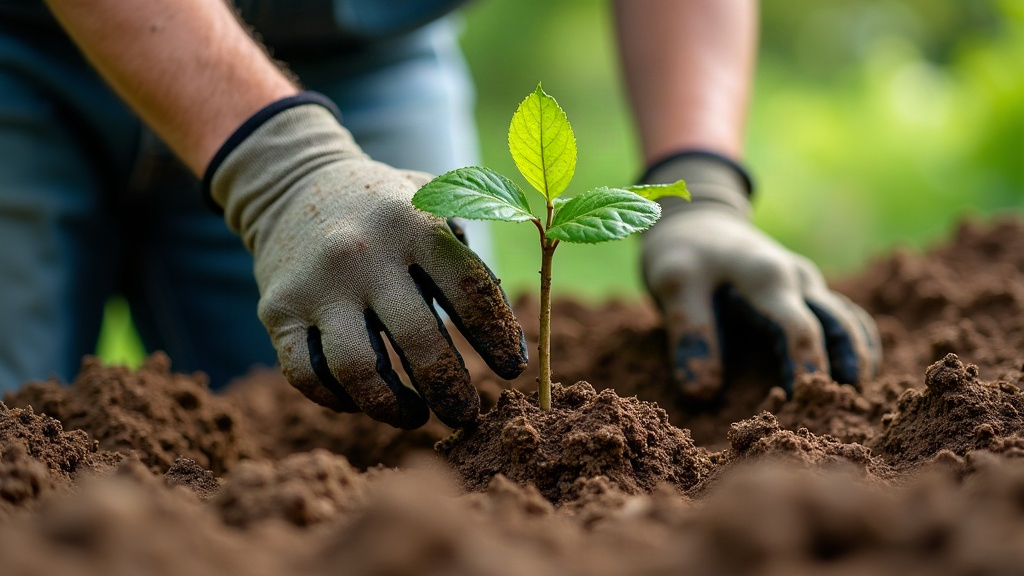
- Dig a hole: Dig a hole that is twice as wide and just as deep as the tree’s root ball.
- Prepare the soil: Add a 2-inch layer of organic matter (such as compost or well-rotted manure) to the hole to improve soil fertility and drainage.
- Plant the tree: Gently remove the tree from its container and place it in the hole, making sure the root flare (where the trunk flares out at the base of the tree) is level with the soil surface.
- Water thoroughly: Water the tree thoroughly after planting, and keep the soil consistently moist during the first growing season.
Care and Maintenance
- Watering: Water the tree regularly during the first growing season, and reduce watering to once per week in established trees.
- Fertilization: Fertilize the tree annually with a balanced, slow-release fertilizer.
- Pruning: Prune the tree annually to maintain its shape and promote healthy growth.
Conclusion
The Vineland Black Cedar is a versatile and low-maintenance evergreen tree species that is well-suited for the Niagara region. With its unique foliage, resistance to disease, and ability to thrive in a variety of soil types, this tree is an excellent choice for landscaping and hardscaping projects. By following the guidelines outlined in this article, you can ensure the health and success of your Vineland Black Cedar tree.