In the Niagara region, where the climate is generally mild and wet, cedar hedges are a popular choice for property owners looking to create a natural barrier and enhance their landscape. St Catharine’s residents, in particular, appreciate the durability and low-maintenance requirements of cedar hedges, making them an ideal solution for privacy screening and windbreaks.
Choosing the Right Cedar Species
Not all cedar species are created equal when it comes to hedge planting. The Eastern White Cedar (Thuja occidentalis) is a popular choice for the Niagara region due to its hardiness, adaptability, and ability to thrive in a variety of soil types. It’s also relatively fast-growing, with some species reaching up to 3 feet per year. Other species, such as the Atlas Cedar (Cedrus atlantica) and the Blue Atlas Cedar (Cedrus atlantica glauca), are also well-suited to the local climate, but may require more maintenance and care.
Planting Timing and Spacing
In St Catharine’s, the best time to plant cedar hedges is in the spring or fall, when the weather is cooler and there is ample moisture in the soil. Avoid planting in the middle of summer, when the heat and dryness can stress young plants. When it comes to spacing, a general rule of thumb is to plant cedar hedges 12-18 inches apart, depending on the species and desired density. This will allow for adequate air circulation and prevent overcrowding.
Planting and Aftercare
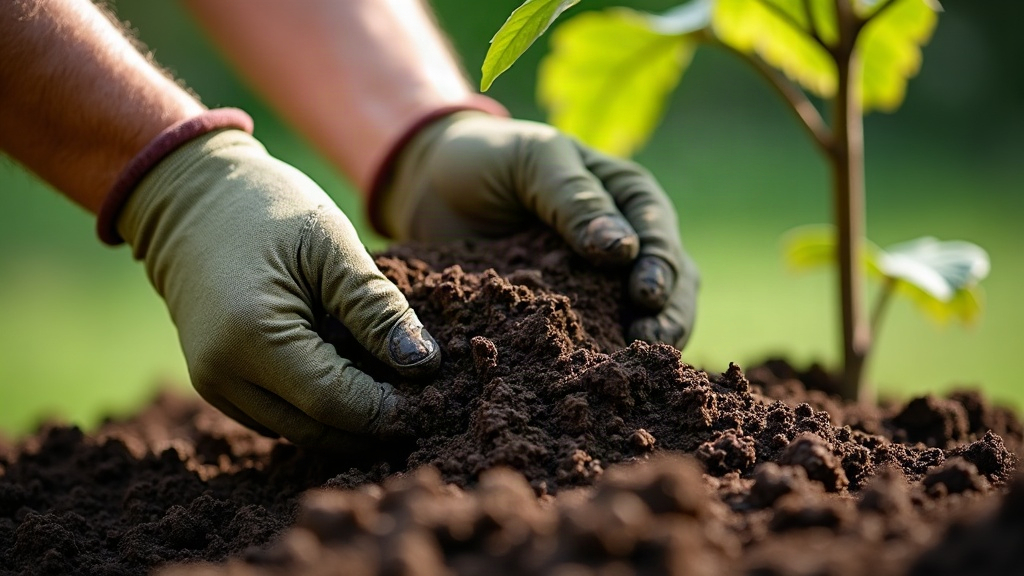
Planting a cedar hedge is a relatively straightforward process, but proper care and maintenance are essential for ensuring the health and longevity of the plants. When planting, dig a hole that is twice as wide and just as deep as the root ball of the cedar. Gently remove the plant from its container and place it in the hole, making sure the root flare (where the trunk flares out at the base of the plant) is level with the soil surface. Water the plant thoroughly, and apply a 2-3 inch layer of mulch to retain moisture and suppress weeds.
Watering and Mulching
In the Niagara region, cedar hedges require regular watering, especially during the first year after planting. Water the plants deeply once or twice a week, depending on weather conditions, but avoid overwatering, which can lead to root rot and other problems. Mulching is also essential for maintaining soil health and reducing weed growth. Use a natural, organic mulch like wood chips or bark, and keep it at a depth of 2-3 inches.
Delivery and Planting Services
For those who prefer not to plant their cedar hedges themselves, Niagara Tree Company offers delivery and planting services for their customers. With a wide range of cedar species to choose from, customers can visit the farm by appointment to select the perfect trees for their property. The company’s experienced staff can then deliver and plant the hedges, ensuring a beautiful and long-lasting landscape feature.
Final Tips and Considerations
When planting a cedar hedge in St Catharine’s, it’s essential to consider the mature size of the plants and plan accordingly. Some species can grow quite large, so be sure to leave enough space for the hedge to mature without overcrowding neighboring plants. Additionally, be mindful of the local building codes and regulations, which may require a permit or other authorization for large-scale planting projects.
Niagara Tree Company grows its trees at the farm in Beamsville — see the species we grow, or have us deliver and plant them for you. Open by appointment: 905-401-9526.